Case Study:
Camp Rudolph Infrastructure Resilience Project
Camp Rudolph is an early-stage resilience planning initiative led by Henrico Pierce Engineered Solutions for a Christian campground in Yale, Virginia. The engagement was structured to support environmental site assessment, stormwater resilience planning, geospatial analysis, emergency preparedness, and future data-informed decision support.
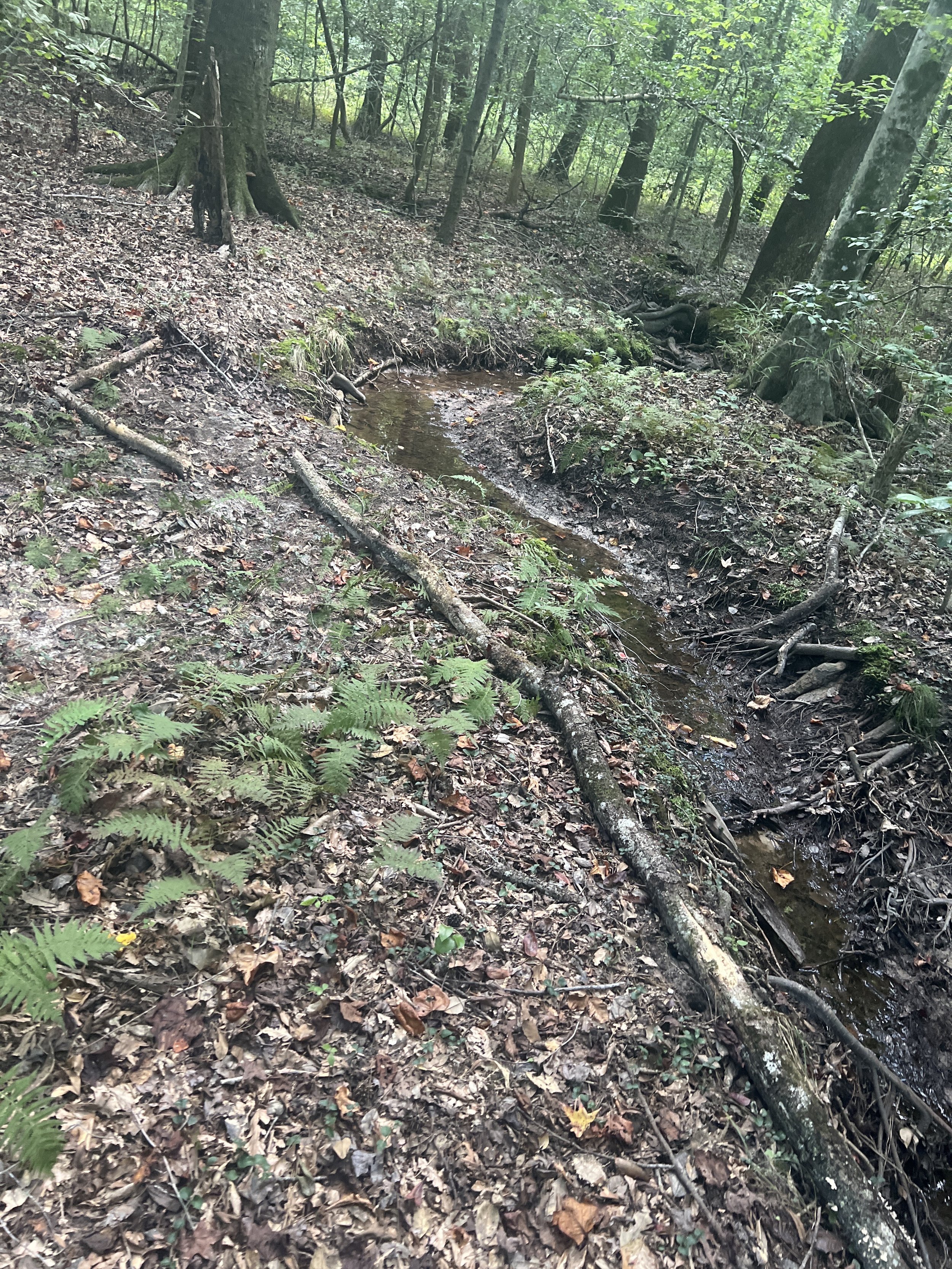
To date, HPES has completed site visits and preliminary field review to better understand drainage patterns, flood vulnerability, and infrastructure conditions across the camp property. These early efforts are helping shape a longer-term strategy for site safety, stormwater improvement, and phased resilience investment.
Role of Henrico Pierce Foundation
Henrico Pierce Foundation (HPF) was founded in September 2025 to help communities navigate complex environmental, civic, and disability-related systems through accessible education, advocacy, and partnership across Hampton Roads and Western North Carolina. HPF provides a dedicated nonprofit avenue for pursuing grants and philanthropic support for pro bono and community-driven projects, including the Camp Rudolph Infrastructure Resilience Project.
In April 2026, HPF received 501(c)(3) exempt status, strengthening its ability to secure external funding for resilience planning, monitoring, and infrastructure improvements at Camp Rudolph and similar sites. Together, HPES and HPF link technical environmental consulting with education, advocacy, and resource development so that small community institutions like Christian campgrounds can move from preliminary assessment work toward implementable, fundable resilience solutions.
To learn more about the Henrico Pierce Foundation